
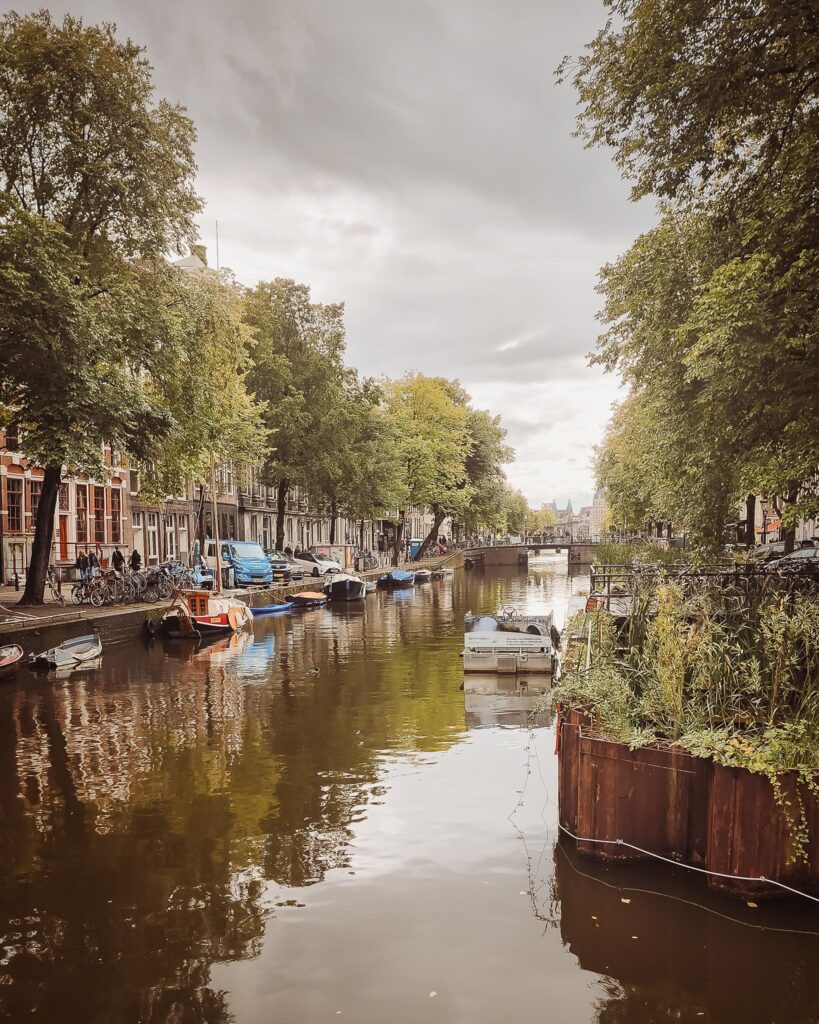
I spent 48 hours in Amsterdam with my husband as the first stop on a bigger Europe trip — this guide is based entirely on firsthand experience across both days.
We landed in Amsterdam on three hours of sleep and one hundred percent excitement.
The red-eye from Toronto had done what red-eyes do — left us somewhere between exhausted and electric, the kind of travel state where everything feels slightly more vivid than it should. We stepped off the plane, found the city train from the airport, and within an hour we were walking streets lined with canals and bicycles and the particular unhurried energy that Amsterdam seems to carry in its bones.
Two days. One city. And somehow — it was enough to fall completely in love with it.
This is your complete 48-hour Amsterdam itinerary — what we did, where we went, what surprised us, and everything you need to make the most of a short stay in one of Europe’s most charming cities.
Amsterdam — At a Glance
📍 Base: Amsterdam city centre
🏨 Where We Stayed: Social Hub Amsterdam
✈️ Flying From: Toronto (YYZ) — red-eye overnight
🚗 Day Trip Transport: Rental car for Zaanse Schans and The Hague
📅 Trip Context: First stop on a bigger Europe trip
👫 Travel Style: Couple travel
💰 Budget Level: Mid to Luxury
⏱️ Duration: 48 hours
Table of contents
- Amsterdam — At a Glance
- Why Amsterdam Works as a 48-Hour City
- Getting There and Into the City
- Where We Stayed — Social Hub Amsterdam
- Day 1: Canals, DAM Square & the Red Light District
- Day 2: Zaanse Schans, The Hague & the Heineken Experience
- Where to Eat and Drink in Amsterdam
- Practical Amsterdam Tips for 2026
- Final Thoughts — Is 48 Hours in Amsterdam Enough?
- 48 Hours in Amsterdam: Your Most Asked Questions (FAQ)
Why Amsterdam Works as a 48-Hour City
Amsterdam is one of those rare cities that doesn’t punish a short visit. The centre is compact and walkable, the public transport is excellent, and the city’s greatest pleasures — the canals, the architecture, the café culture, the energy of its neighbourhoods — are all available without complex planning or long journeys between them.
For travelers using Amsterdam as a European gateway — flying in from North America before continuing to other destinations — two days gives you a genuine feel for the city rather than just an airport layover extended by a hotel night.
We arrived jetlagged and left genuinely sad to go. That’s the Amsterdam effect.
Getting There and Into the City
Amsterdam Schiphol Airport is one of Europe’s most efficiently connected hubs. The city train from Schiphol to Amsterdam Centraal runs every 10-15 minutes and takes approximately 15-20 minutes — straightforward, affordable and the most sensible option for getting into the city on arrival.
We took the train straight from the airport to the city centre — bags in tow, running on adrenaline and airport coffee — and were walking Amsterdam’s streets within an hour of landing.
For 2026 travelers: Amsterdam has increased its tourist tax in recent years making it one of the higher tourist tax cities in Europe. Factor this into your accommodation budget — it’s applied per person per night and adds up over multiple nights. Book accommodation in advance as the city fills quickly particularly in peak season.
Where We Stayed — Social Hub Amsterdam
We stayed at Social Hub Amsterdam — a centrally located property that hit exactly the right balance between comfort and location for a short city stay.
The room was compact — Amsterdam rooms tend toward the smaller side, a function of the city’s historic building stock — but thoughtfully designed and genuinely cozy. For 48 hours in a city where you’re out most of the time, the size matters less than the location and the quality of the bed you’re returning to.
Social Hub’s central position meant everything was walkable — DAM Square, the canals, the city’s main streets — which for a 48-hour stay is genuinely the most important factor in accommodation choice. We’d stay here again.
Day 1: Canals, DAM Square & the Red Light District
Arriving and Finding Our Feet
After checking in and dropping bags we did what every good city travel day demands — we went outside with no particular plan and let Amsterdam show us what it wanted to show us.
Amsterdam rewards this approach. The canal-lined streets are genuinely beautiful in every direction and the city has a laidback, artsy energy that makes wandering feel productive rather than aimless. Bikes zoom past with confident frequency. Locals sip coffee at canal-side tables. Street performers appear at unexpected corners. Every few steps genuinely feels like a postcard moment.
We stumbled upon a university courtyard — calm, green, full of student life — that gave us a quiet local moment in the middle of an otherwise tourist-busy day. These are the Amsterdam discoveries that stick. If you pass an open courtyard or archway that looks interesting — go through it. The city rewards curiosity.
DAM Square
DAM Square is Amsterdam’s historic heart — the National Monument, the Royal Palace, the surrounding architecture all converging in one busy, beautiful open space. It’s touristy in the way that all great city centres are touristy — because they’ve earned it. Worth spending time in rather than rushing through.
Dinner and Cocktails in the City Centre
As the sun started to set we changed and headed out for dinner — warm food, a cocktail, and the kind of contented tiredness that only travel delivers. (Restaurant name — add before publishing)
The Red Light District
Before heading back we walked through Amsterdam’s famous Red Light District — and it’s worth including in any honest Amsterdam itinerary not because it’s a must-see attraction in the conventional sense but because it’s a genuine and significant part of Amsterdam’s culture and identity.
It’s colourful, unapologetic and unlike anywhere else. The city itself has been actively working to reshape how tourists engage with this area — steering visitors toward experiencing it respectfully rather than as a spectacle. Walk through, observe with curiosity and consideration, and understand it as one layer of a city that has always made space for things other cities haven’t.
2026 context: Amsterdam has been implementing over-tourism management measures particularly around the Red Light District. The city is actively encouraging tourists toward less-visited neighbourhoods and local areas. If you want a more authentic Amsterdam experience beyond the main tourist circuit — areas like Jordaan, De Pijp and Noord offer a completely different side of the city worth exploring.
Day 2: Zaanse Schans, The Hague & the Heineken Experience
Day 2 was ambitious — and exactly the kind of day that makes a short trip feel genuinely full.
Zaanse Schans — The Windmill Village
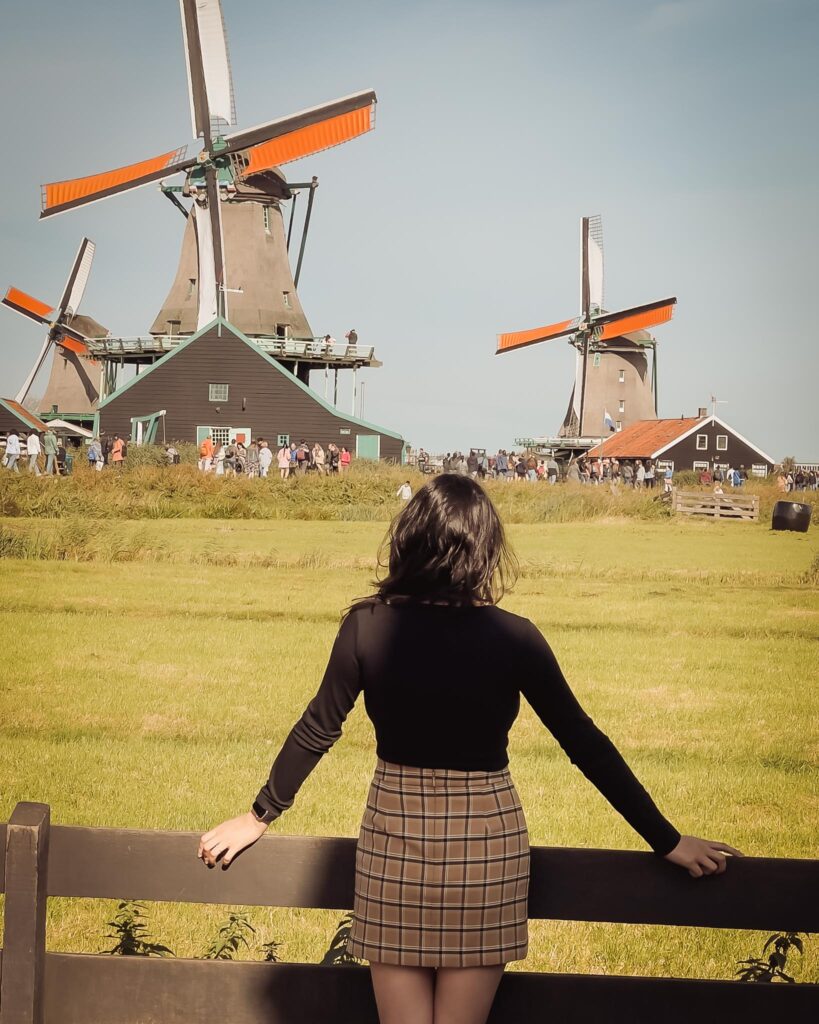

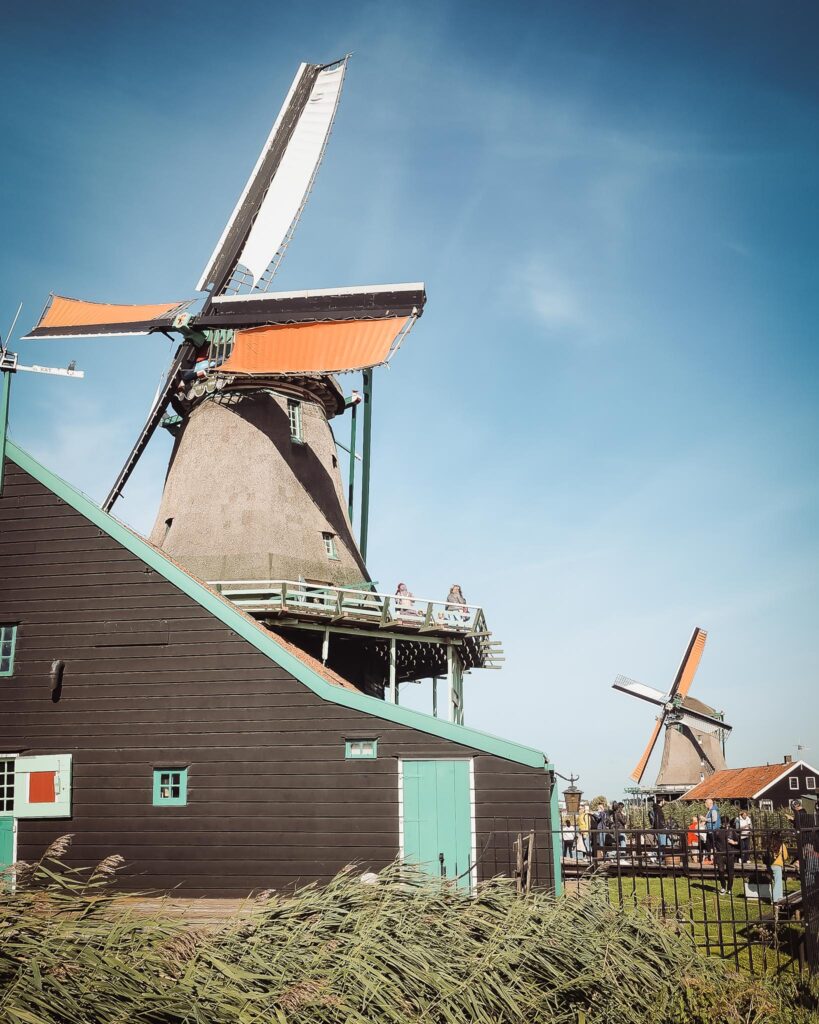
We rented a car for the day and headed out of the city early to Zaanse Schans — a beautifully preserved Dutch village approximately 15 kilometres northwest of Amsterdam that looks precisely like what you imagine when someone says “the Netherlands.”
Classic green wooden houses. Water canals. And windmills — actual 17th century windmills, slowly turning in the morning breeze, still functional and still extraordinary to stand next to.
We arrived early and were greeted by the most peaceful scene — quiet, unhurried, the kind of place where time genuinely seems to slow. We wandered without a fixed route, letting the village reveal itself.
The windmills here date back to the 17th century and each served a specific industrial purpose — some ground grain, others pressed oil, some sawed timber. They’re not decorative heritage pieces — they’re working history. Even from the outside, standing next to these enormous wooden structures and watching the blades turn, the scale and engineering of them is genuinely impressive.
The cheese shop was another highlight entirely. Wheels of gouda stacked to the ceiling — smoked, herb-infused, spicy, truffle, pesto-flavoured. The staff walked us through how Dutch cheese is made and aged — gouda can be aged anywhere from four weeks to over a year, with the flavour deepening significantly at each stage — and then let us sample what felt like everything. We definitely lost count of how many cubes we tried.
It was one of those simple, sensory experiences that becomes unexpectedly memorable. Just a rustic cheese shop, centuries-old windmills outside the window, and a morning of wandering that felt completely removed from the city bustle we’d left an hour earlier.
(For the full Zaanse Schans experience guide — how to get there, how long to spend, and what to see — read our dedicated post.)
The Hague — The Calm Contrast
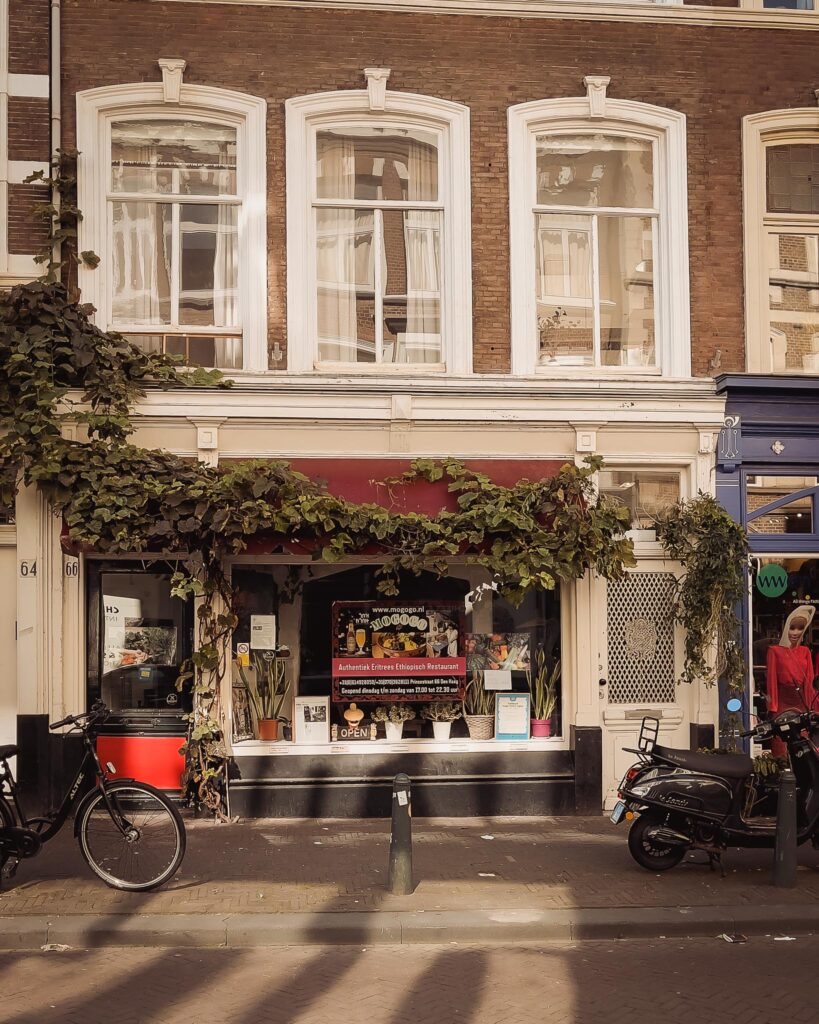
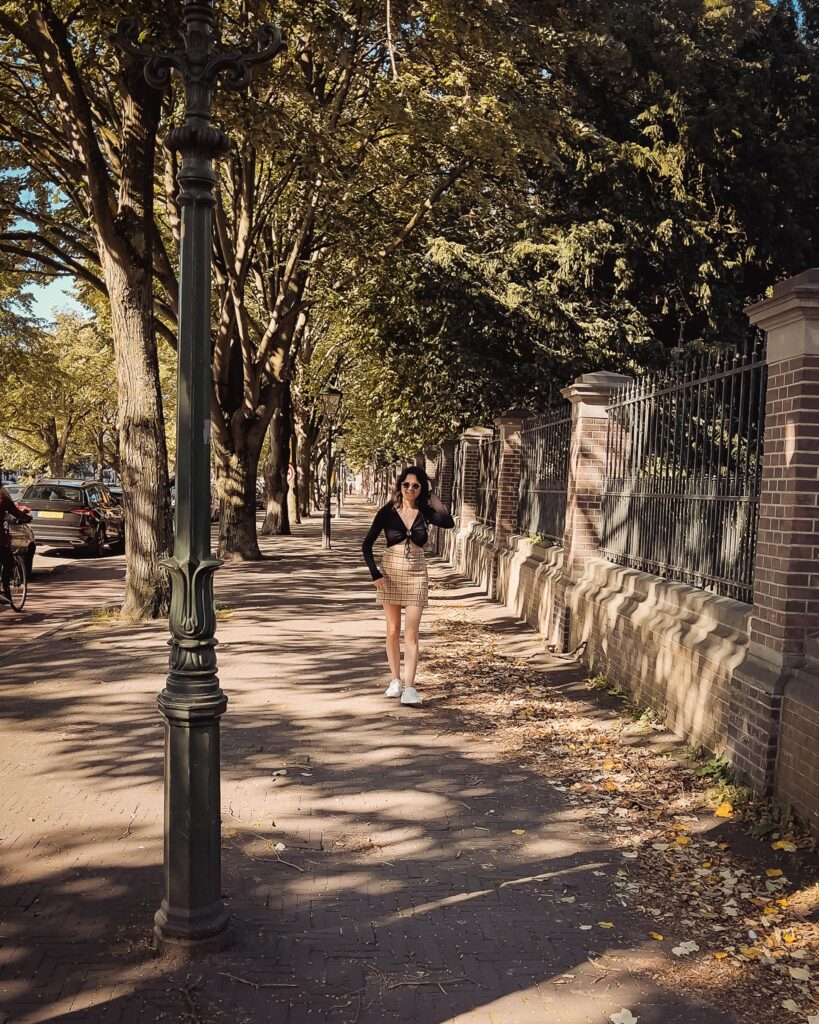
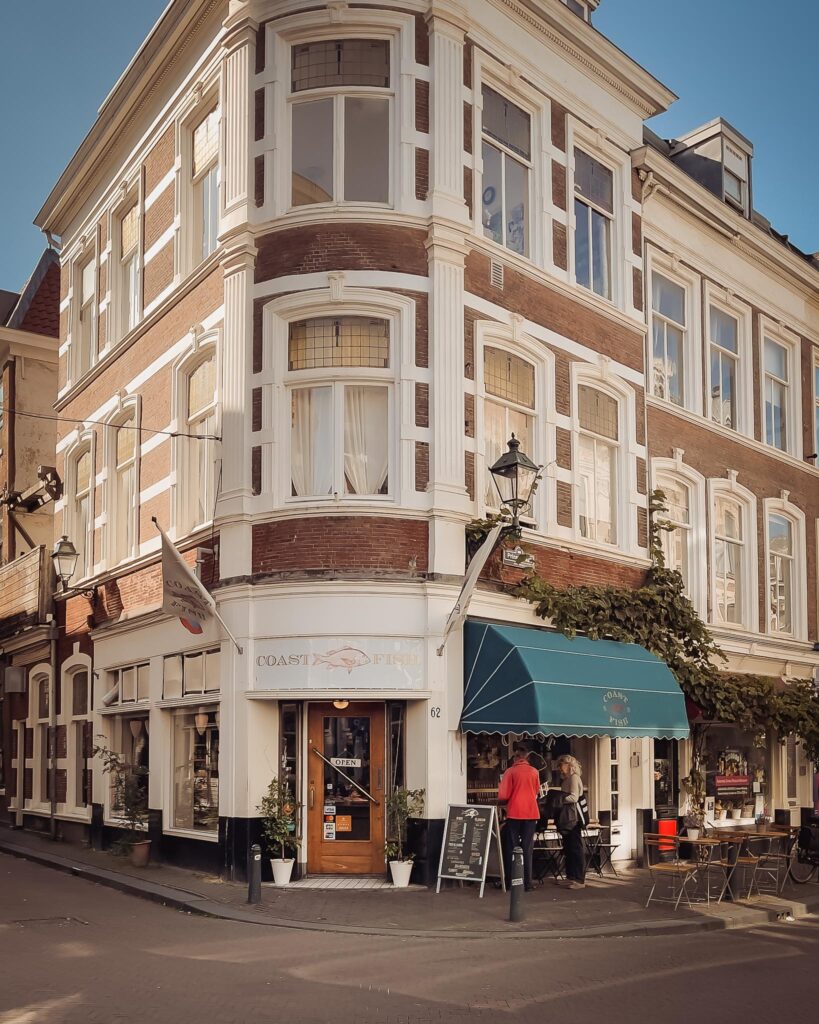
From Zaanse Schans we drove south to The Hague — Netherlands’ governmental capital and a city with a noticeably different character to Amsterdam’s tourist-busy energy.
The Hague is quieter, more ordered, full of government buildings and modern architecture alongside its historic centre. We found a café, sat with coffee, and simply enjoyed the calm. After Amsterdam’s constant movement, The Hague felt like a breath.
It’s not a city that demands a full day — but as a half-afternoon stop between Zaanse Schans and the drive back to Amsterdam it offered exactly the right kind of contrast. Coffee in The Hague — the calm contrast to Amsterdam’s buzz.
The Heineken Experience
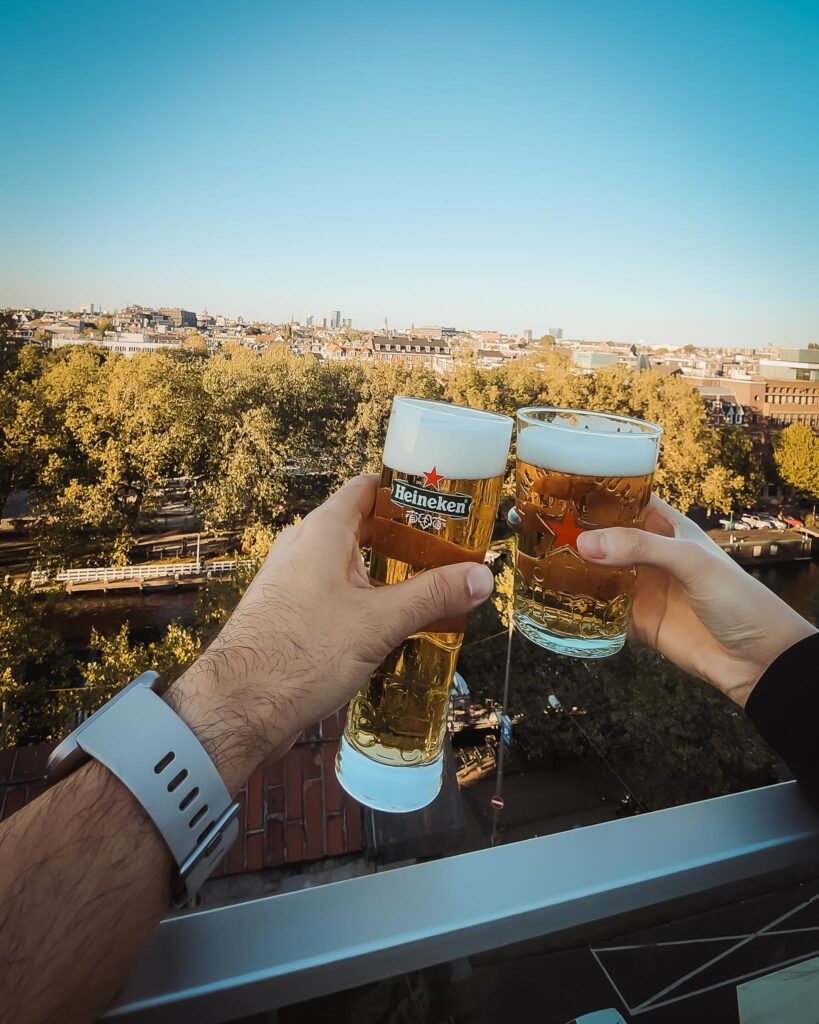


Back in Amsterdam for the evening we headed to the Heineken Experience — the brewery tour we’d booked in advance and honestly hadn’t known quite what to expect from.
It exceeded expectations considerably.
The experience opens with a walk through Heineken’s history from its founding in 1864 — vintage ads, original brewing equipment, the visual language of a brand that’s been part of global culture for over 150 years. Then it shifts into something more immersive — part museum, part interactive funhouse, genuinely more engaging than any brewery tour I’d anticipated.
Highlights included the old distillery space where you can “stir” the barley in a large open vat, an interactive zone full of games, lights and animated brewing simulations, and the genuinely hilarious stationary bike setup where you pedal and sing and it generates a video of you cycling through Amsterdam’s streets with music and effects. We were laughing until we cried. It’s silly and completely delightful and the kind of souvenir moment you actually remember.
There was also a custom bottle monogramming station — I had “hngbygurleen” engraved on mine, a small nod to the channel. I didn’t buy it in the end — luggage fragility concerns — but the personalization experience felt special regardless.
The tasting moments were woven throughout rather than saved for the end — fresh pours, different varieties, a few surprises along the way.
And then the final stop: the rooftop bar, which we’d specifically booked access to, with views over Amsterdam in the golden hour light. The lighting, the relaxed vibe, cold Heineken in hand, the city spread out below — it tied the whole experience together in exactly the right way.
(For our full Heineken Experience review — the interactive elements, the tasting, whether the rooftop upgrade is worth it — read our dedicated post.)
Where to Eat and Drink in Amsterdam
City centre dinner and cocktails — (Restaurant name — add before publishing). Warm, well-chosen, the right place to end a first full day in the city.
The Heineken Experience rooftop bar — included with the rooftop access booking, the golden hour views make this one of Amsterdam’s more memorable drink locations. Book the rooftop tier specifically — the standard tour ends before the rooftop and the upgrade is worth it.
Zaanse Schans cheese shop — not a restaurant but one of the best eating experiences of the trip. Go hungry and sample generously.
Dutch croquette — we grabbed one from a street vendor and rated it a solid 7/10. A Dutch street food staple worth trying — crispy fried exterior, creamy meat filling, best eaten immediately while hot.
Practical Amsterdam Tips for 2026
Getting Around
Amsterdam’s city centre is best explored on foot — the distances are manageable and the streets are beautiful enough that walking is the right choice. For day trips beyond the city, a rental car gives you the flexibility we found invaluable for combining Zaanse Schans and The Hague in a single day.
Tourist Tax
Amsterdam has one of the higher tourist taxes in Europe — applied per person per night and worth factoring into your accommodation budget before booking.
Book Key Experiences in Advance
The Heineken Experience sells out — particularly the rooftop access tier. Book online before arriving rather than hoping for walk-in availability. Same applies for any specific timed experiences you want during your stay.
Over-Tourism Awareness
Amsterdam is actively managing visitor flow particularly in the city centre and Red Light District. Exploring beyond the main tourist circuit — Jordaan, De Pijp, Amsterdam Noord — gives you a more authentic experience and supports local businesses in less-visited areas.
The Canal Boat Question
Canal cruises are widely available and genuinely pleasant for getting a different perspective on the city — particularly useful on arrival when you want a relaxed orientation before walking. Not essential but enjoyable if the timing works.
Read More Articles!
Final Thoughts — Is 48 Hours in Amsterdam Enough?
It’s enough to fall in love with the city. Whether it’s enough to feel finished with it is a different question — and the honest answer is no.
Amsterdam has layers that two days only begins to reveal. But two days done well — with a day trip that shows you the Netherlands beyond the city, an evening experience that captures something genuinely memorable, and enough unplanned wandering to let the city show you what it wants to show you — leaves you with a complete and satisfying feeling rather than a frustrated one.
We’d come back in a heartbeat. The city earns that.
Let’s Chat!
Have you been to Amsterdam or is it on your Europe trip list? Which part of the itinerary would you prioritize — the Zaanse Schans morning or the Heineken Experience evening? Drop a comment below. Save this guide and share it with someone planning a Europe trip. 🇳🇱
48 Hours in Amsterdam: Your Most Asked Questions (FAQ)
Yes — with smart planning. The city centre is compact and walkable which means you can cover a lot of ground without long transport times between sights. Two days gives you time for the main city highlights, a half-day trip outside Amsterdam, and at least one specific experience like the Heineken Experience. You’ll leave wanting more — but you’ll leave having genuinely experienced the city rather than just passed through it.
The canals and canal-side streets are non-negotiable — Amsterdam’s beauty lives here. DAM Square for the historic city centre. The Red Light District for cultural context and honest curiosity. Zaanse Schans for a completely different perspective on the Netherlands just 15 minutes outside the city. And at least one evening experience — the Heineken Experience rooftop tier being our specific recommendation.
Not essential — but genuinely enjoyable if the timing works for you. The canals are beautiful from street level and walking them gives you more spontaneity than a cruise. That said a canal boat offers a different perspective on the city’s architecture and is particularly good as a relaxed arrival day orientation. Worth doing if you have a few hours to spare rather than treating it as a mandatory stop
Walking — by some margin. The centre is compact, the streets are beautiful and most of what you want to see is within comfortable walking distance. For day trips beyond the city a rental car gives you the most flexibility — we combined Zaanse Schans and The Hague in a single day which would have been significantly harder on public transport.